

Cette entreprise n'a pas de postes à pourvoir
About Us
The 10 Most Scariest Things About Durable Walker
Choosing a Durable Walker: Your Guide to Enhanced Mobility and Independence
Navigating life’s daily obstacles can end up being progressively difficult as we age or face health issues that limit mobility. For numerous, a durable walker can be a game-changer- offering not only physical support however also boosting confidence. This article will explore the various kinds of durable walkers available, their crucial features, maintenance tips, and how to select the right Brake Rollator Walker for your needs.
What is a Durable Walker?
A durable walker is a mobility aid developed to supply stability and support for people with minimal movement capabilities. Unlike basic walkers, durable walkers are developed with robust products and engineering created for frequent use, making them ideal for users who require a reliable aid for everyday activities.
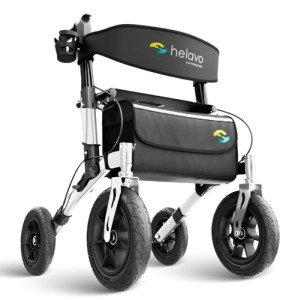
Types of Durable Walkers
When choosing a durable walker, it’s essential to comprehend the different types readily available. Below is a table detailing common types of durable walkers, their features, and perfect use cases.
| Type of Walker | Features | Perfect For |
|---|---|---|
| Requirement 4-Wheel Walker | Lightweight, non-wheeled design, adjustable height | People requiring fundamental support |
| Wheeled Walker | 2 front wheels, braking system | Users requiring extra mobility in the home |
| Heavy-Duty Walker | Durable frame for much heavier weight capability | Obese individuals or those with greater mobility needs |
| Innovative Rollator Features Walker | Four wheels, seat, hand brakes | Users searching for resting options throughout walks |
| Folding Walker | Collapsible design for easy transport | People who travel often or have actually restricted storage |
| Knee Walker | Knee support for non-weight-bearing legs | People recovering from foot or ankle injuries |
Key Features to Consider
When choosing a durable walker, several features must be taken into consideration to ensure it fulfills your particular requirements. Below is a list of essential features:
- Weight Capacity: Ensure the walker can support the user’s weight securely.
- Height Adjustability: Look for walkers with adjustable heights to offer correct ergonomic support.
- Material: Aluminum walkers are lightweight and strong, while steel walkers use added toughness.
- Wheels: Consider walkers with wheels for much easier maneuverability if the user is mobile enough.
- Grip Handles: Ergonomically developed grip deals with improve convenience and stability.
- Storage Options: Many walkers included attached seats or storage bags for benefit.
- Braking System: Essential for wheeled walkers to guarantee stability throughout use.
Benefits of Using a Durable Walker
Purchasing a durable walker features many advantages. Here are a couple of:
- Increased Stability: The primary function of a walker is to provide support and stability.
- Increased Confidence: Using a walker can help users feel more secure in walking around their environment.
- Boosted Mobility: Walkers can assist people maintain mobility and independence.
- Decreased Fatigue: A walker minimizes stress on joints and muscles during movement.
- Enhanced Posture: They often promote better posture and alignment, which can decrease pain in the back.
How to Maintain Your Durable Walker
To guarantee the durability and security of a durable walker, routine upkeep is vital. Here are some ideas:
- Check for Damage: Inspect for any cracks or loose parts frequently.
- Clean Regularly: Wipe down deals with and frame with a moderate cleaner to keep it hygienic.
- Lube Wheels: For wheeled walkers, apply lubricant to avoid squeaking and guarantee smooth motion.
- Height Adjustments: Periodically examine if the height is still appropriate and adjust appropriately.
- Tighten up Screws: Regularly inspect screws and bolts to guarantee they are tight and secure.
Regularly Asked Questions (FAQs)
1. How do I know which kind of walker is best for me?
Choosing the ideal walker depends on your particular mobility requirements, weight capability, and convenience choices. Consulting with a healthcare professional can supply personalized insights.
2. Can I use a walker on uneven surfaces?
While lots of toughness walkers are developed for different surfaces, it’s recommended to utilize them on flat surface areas when possible. Search for walkers with larger wheels for much better performance on uneven surface areas.
3. Exist walker’s covered by insurance coverage?
In numerous cases, Medicare and other insurance strategies cover durable walkers with a healthcare service provider’s prescription. Consult your insurer for specific information.
4. Can walkers be used outdoors?
Numerous durable walkers are appropriate for outdoor use. However, selecting one with larger wheels and great suspension will enhance the experience on unequal terrains like turf or gravel.
5. Just how much weight can a heavy-duty walker support?
Heavy-duty walkers generally support between 300 to 600 pounds, depending on the design. Always check the producer’s specifications.
A durable walker can considerably enhance the quality of life for individuals with mobility difficulties. By understanding the various types, features, and maintenance standards, users can make an informed choice that best fulfills their needs. With the ideal walker, people can regain mobility, independence, and self-confidence in their every day lives. As always, talking to a health care specialist for customized suggestions is encouraged to make sure the very best suitable for mobility needs.
