
Cette entreprise n'a pas de postes à pourvoir
About Us
16 Must-Follow Pages On Facebook For Bifold Door Seal Replacement-Related Businesses
Bifold Door Seal Replacement: A Comprehensive Guide to Maintaining Weatherproof and Efficient Doors
Bifold doors, likewise called folding doors, are a popular choice for property owners wanting to effortlessly blend indoor and outside living areas. Their expansive glass panels and smooth operation develop a sense of openness and modern beauty. However, like all external doors, bifold door fixes doors are continuously exposed to the elements, and an important component in keeping their functionality and effectiveness is the weather condition seal. Gradually, these seals can deteriorate, causing drafts, water leakages, and increased energy costs. Understanding when and how to replace bifold door seals is an essential part of home upkeep, ensuring your doors continue to supply convenience, security, and energy performance.
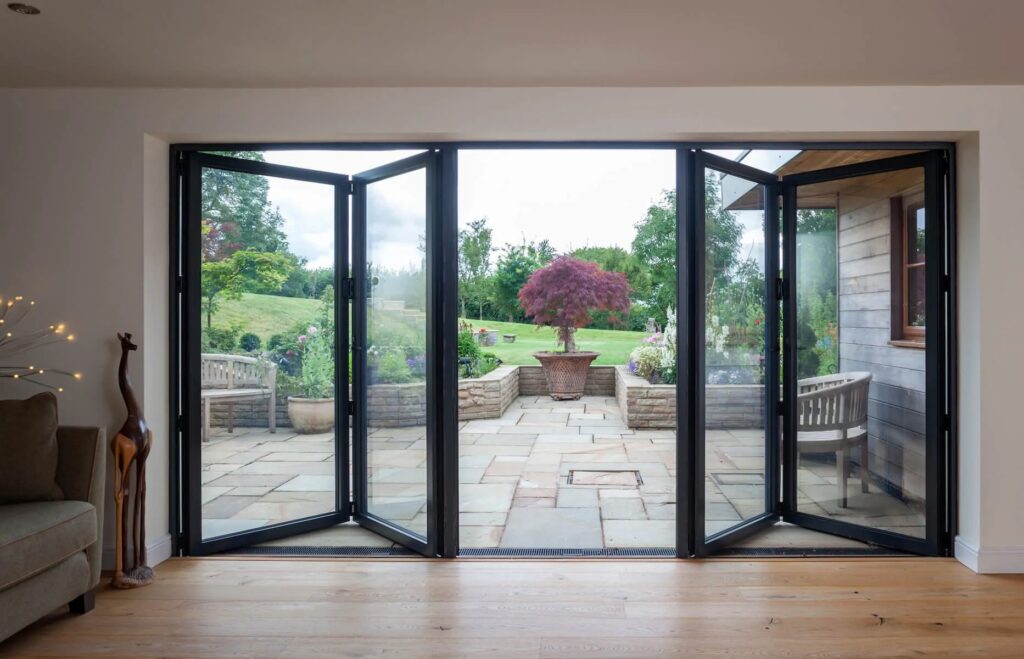
This article looks into the world of bifold door seals, exploring why they are so essential, how to recognize when they need changing, and providing a detailed guide on how to carry out a replacement. Whether you are an experienced DIY lover or a property owner seeking to tackle an easy repair, this guide will equip you with the knowledge to guarantee your bifold door repairman services doors stay in leading condition.
The Vital Role of Bifold Door Seals
Bifold door seals are more than just strips of rubber or plastic. They are engineered parts developed to create a tight barrier versus the external environment. Their main functions are diverse and contribute considerably to the overall performance and durability of the door system.
Firstly, weatherproofing is critical. Seals prevent rainwater, snow, and wind from penetrating the door frame and entering your home. This security is crucial in preventing water damage to interior walls, flooring, and furniture, along with decreasing the unpleasant feeling of cold drafts during chillier months.
Secondly, seals play a crucial function in energy performance. By removing gaps around the door panels, they avoid air leakage. This is essential for keeping a consistent internal temperature, reducing the work on your heating and cooling systems, and ultimately decreasing your energy bills. Inefficient seals can cause substantial heat loss in winter season and cool air escape in summer, impacting both your comfort and your wallet.
Third, seals add to noise reduction. A tight seal acts as a barrier to external noise pollution, producing a quieter and more serene indoor environment. This is especially helpful for homes found near busy roads, airports, or in densely inhabited locations.
Lastly, seals likewise help avoid bug and bug intrusion. By closing off possible entry points around the door frame, they prevent unwanted pests and pests from entering your home, adding to a much healthier and more sanitary home.
Acknowledging the Signs of Seal Deterioration
Just like any component exposed to the aspects, bifold door seals are subject to wear and tear. Understanding how to recognize when your seals are stopping working is the primary step towards dealing with the concern. Here are some common indicators that it’s time for a bifold door seal replacement:
-
Visible Damage: Inspect your seals for any physical indications of damage. Look for:
- Cracking or splitting: Sunlight and temperature changes can cause seals to become breakable and fracture.
- Tearing or ripping: Physical wear and tear, or inappropriate door operation, can lead to tears in the seal.
- Compression or flattening: Seals that have lost their elasticity may appear flattened or completely compressed, failing to create a tight seal.
- Mould or mildew: Moisture trapped by abject seals can cause mould or mildew development, suggesting water ingress and seal failure.
-
Drafts: Feel around the edges of your closed bifold doors, particularly on a windy day. If you can feel cold air going into, it’s a strong sign that the seals are no longer effective in preventing drafts.
-
Water Leaks: Water pooling or staining around the inside of the door frame during or after rain is a clear indication of seal failure. Water ingress can result in more significant structural damage if left unaddressed.
-
Increased Noise Levels: If you notice a boost in external noise entering your home, it might be due to stopping working seals that are no longer effectively obstructing noise.
-
Higher Energy Bills: An unexplained increase in your heating or cooling costs can be credited to air leakage through jeopardized door seals.
-
Trouble in Door Operation: In some cases, heavily abject or swollen seals can hamper the smooth operation of the bifold doors, making them harder to open and close.
If you see any of these signs, it’s suggested to examine your bifold door seals closely and consider replacement.
Types of Bifold Door Seals
Bifold door seals are readily available in different materials and profiles, each developed for specific applications and door types. Comprehending the common types will assist you select the right replacement for your doors.
Here are some widespread types:
-
EPDM Rubber Seals: Ethylene Propylene Diene Monomer (EPDM) rubber seals are a popular choice due to their excellent weather condition resistance, resilience, and versatility. They are resistant to UV radiation, ozone, and severe temperatures, making them suitable for long-lasting outside usage.
-
TPE/TPR Seals: Thermoplastic Elastomer (TPE) or Thermoplastic Rubber (TPR) seals use a balance of flexibility and sturdiness, often discovered in modern-day bifold door systems. They are recyclable and can be developed in intricate profiles for ideal sealing.
-
Silicone Seals: Silicone seals are understood for their exceptional temperature resistance and versatility, even in severe cold. They are also highly resistant to UV and ozone deterioration. Silicone seals are often used in high-performance applications and can be more costly than other alternatives.
-
Brush Seals: Brush seals, typically used in moving or bi-folding door systems, include thick bristles mounted in a backing material. They work in obstructing drafts, dust, and bugs, particularly in locations where a standard compression seal might not appropriate.
-
Fin Seals (Weather Fins): These seals include a thin « fin » or « blade » that extends outwards to produce a secondary weather barrier. They are frequently used in combination with other seal types for boosted weatherproofing, particularly in exposed locations.
The specific kind of seal utilized in your bifold doors will depend upon the manufacturer and the door’s style. When changing seals, it is important to determine the original type and pick a replacement that matches or is compatible with your door system.
Do It Yourself Bifold Door Seal Replacement: Step-by-Step Guide
Changing bifold door seals is a workable DIY project for the majority of homeowners. Here’s a step-by-step guide to guide you through the procedure:
Tools and Materials You Will Need:
- New Bifold Door Seals: Purchase the right type and length of replacement seals. Measure the existing seals thoroughly and order somewhat longer if not sure, as they can be trimmed.
- Utility Knife or Sharp Scissors: For cutting the brand-new seals to length.
- Determining Tape: To measure the lengths of the seals and door frames properly.
- Pencil or Marker: For marking cut lines.
- Tidy Cloth or Sponge: For cleaning up the door frame before installing brand-new seals.
- Sealant Remover (Optional): If old adhesive residue is present.
- Adhesive (if needed by the seal type): Some seals are self-adhesive, while others might require adhesive. Inspect the producer’s guidelines.
- Gloves (Optional): To secure your hands.
Step-by-Step Instructions:
-
Preparation and Safety: Ensure the bifold door is completely opened and secured to prevent it from moving suddenly during the replacement process. Use gloves if wanted.
-
Eliminate the Old Seals: Carefully remove the old seals from the door frame. Start at one end and gently pull, working your method along the length of the seal. If the seals are glued, you may require to use a sealant cleaner to soften the adhesive residue and make elimination simpler. Clean the door frame channel to remove any staying adhesive, dirt, or debris. A tidy surface area is necessary for correct adhesion of the brand-new seals.
-
Step and Cut the New Seals: Measure the length of the location where the old seal was installed on the door frame. Transfer this measurement to the new seal. Use an utility knife or sharp scissors to cut the brand-new seal to the precise length, making sure a tidy, straight cut. It’s much better to cut slightly longer and cut if required later on.
-
Install the New Seals: Starting at one end of the determined location, thoroughly press the brand-new seal into the door frame channel. For self-adhesive seals, remove the backing strip as you go, ensuring firm and even pressure to secure the seal. For seals requiring adhesive, apply a thin bead of appropriate adhesive into the channel before pushing the seal into location. Follow the adhesive producer’s guidelines concerning application and drying time.
-
Look for a Tight Seal: Once the new seals are installed, close the bifold door and check the seal all around the perimeter. Make sure the seal is making great contact with the door panels and there are no spaces. Run your hand along the seal to feel for any drafts.
-
Trim if Necessary: If any sections of the seal are too long or protruding, thoroughly trim them with an energy knife or scissors to make sure a cool and flush finish and smooth door operation.
-
Check the Door Operation: Open and close the bifold door several times to ensure the brand-new seals are not hindering smooth operation and that the door closes comfortably versus the seals.
-
Tidy up: Dispose of the old seals and any waste products properly. Tidy your tools.
Selecting the Right Replacement Seal
Choosing the appropriate replacement seal is essential for guaranteeing a lasting and reliable repair. Think about these aspects when choosing new broken bifold door door seals:
- Seal Profile: Match the profile of the brand-new seal to the old one as closely as possible. The profile describes the shape and dimensions of the seal. Incorrect profiles might not fit appropriately or offer a reliable seal. Take a cross-section sample of your old seal if possible when ordering.
- Product: Choose a material suitable for your environment and direct exposure conditions. EPDM rubber, TPE/TPR, and silicone are all excellent choices for bifold door seals. Think about the level of UV exposure and temperature level fluctuations your doors experience.
- Adhesive Type: Decide whether you require self-adhesive seals or seals that require different adhesive. Self-adhesive seals are generally much easier to install however make sure the adhesive is strong and suitable for outside use.
- Maker Compatibility: If possible, attempt to source seals from the bifold door producer or a reliable supplier specializing in door and window seals to ensure compatibility and quality.
- Amount: Order sufficient seal product to replace all needed areas of your bifold door. It’s constantly much better to have a little extra than to run short mid-project.
Advantages of Timely Seal Replacement
Replacing damaged bifold door seals provides many benefits beyond merely repairing a noticeable problem. These benefits contribute to the total comfort, effectiveness, and durability of your home:
- Improved Energy Efficiency: New seals significantly decrease air leakage, resulting in lower heating and cooling costs, and a more comfy indoor temperature.
- Enhanced Weather Protection: Effective seals avoid water ingress, securing your home from water damage, mould, and mildew growth.
- Reduced Noise Pollution: Fresh seals reduce external noise intrusion, producing a quieter and more serene living environment.
- Bug and Insect Control: Intact seals block entry points for unwanted bugs and bugs, adding to a much healthier home.
- Increased Door Lifespan: By avoiding water and drafts from affecting internal door components, new seals can contribute to the durability of your bifold door system.
- Improved Home Comfort: Eliminating drafts and maintaining a constant temperature makes your home more comfortable and enjoyable.
When to Call a Professional
While bifold door seal replacement is frequently a DIY task, there are situations where it is a good idea to seek professional assistance:
- Complex Door Systems: If you have a high-end or complex bifold door system with specialized seals or systems, it’s finest to speak with an expert installer or door expert.
- Comprehensive Damage: If the door frame itself is harmed or warped, merely replacing the seals may not suffice. A professional can examine the overall condition of the door and suggest the appropriate repairs.
- Lack of DIY Confidence: If you are uncomfortable with DIY projects or not sure about any element of the seal replacement process, don’t hesitate to call an expert. Inaccurate installation can result in additional problems.
- Guarantee Concerns: If your bifold doors are still under guarantee, DIY repairs may void the guarantee. Examine the guarantee terms before trying any repairs yourself.
Maintaining your bifold door seals is a crucial element of home upkeep that contributes significantly to convenience, energy efficiency, and security from the elements. Recognizing the indications of seal wear and tear and comprehending how to replace them empowers house owners to resolve this typical concern efficiently. By following the steps described in this guide and selecting the right replacement seals, you can guarantee your bifold door refurbishment specialists (just click the up coming website) doors continue to perform optimally, supplying seamless indoor-outdoor living for many years to come. Routine inspection and prompt seal replacement will not just preserve the functionality of your doors however also enhance the total comfort and worth of your home.
Often Asked Questions (FAQs) about Bifold Door Seal Replacement
Q1: How frequently should bifold door seals be replaced?
A: There is no fixed timeframe for replacement, as the life expectancy of bifold door seals depends upon aspects like climate, exposure to sunlight, and use. Nevertheless, it’s recommended to inspect seals yearly and replace them when you discover indications of wear, damage, drafts, or water leakages. Generally, seals may require replacing every 5-10 years depending on conditions.
Q2: Can I replace just a section of the bifold door seal, or do I need to replace the entire seal?
A: While technically you could replace a section, it is typically suggested to replace the whole constant seal around each door panel or frame section for constant performance and to prevent developing weak points. Changing sections can in some cases cause unequal sealing and potential issues in the future.
Q3: Where can I buy replacement bifold door seals?
A: You can buy replacement bifold door seals from numerous sources, including:
- Online Retailers: Many online shops concentrating on windows and door hardware offer a vast array of seals.
- Hardware Stores: Local hardware shops may bring basic seal types.
- Specialty Door and Window Suppliers: These suppliers frequently have a broader choice and more specialized seals.
- Bifold Door Manufacturers: Contacting the maker of your bifold doors is frequently the finest way to ensure you get the proper, compatible replacement seals.
Q4: Are all bifold door seals the very same?
A: No, bifold door seals vary in product, profile, and size. It’s vital to identify the type of seal utilized in your doors and select a replacement that matches or is created to be compatible. Using the wrong kind of seal can result in ineffective sealing and functional issues.
Q5: Do I need to utilize adhesive when installing new bifold door seals?
A: It depends on the kind of seal you select. Numerous contemporary bifold door seals are self-adhesive and featured a backing strip. Others may require using a different adhesive. Always check the maker’s directions for the specific seals you purchase. If adhesive is required, use a top quality, weather-resistant adhesive suitable for outside usage.
Q6: Can I update to a much better type of seal than what was initially set up?
A: Yes, you can possibly upgrade to a higher-quality seal product like silicone or an advanced profile, supplied it is suitable with your door frame and panels. Nevertheless, ensure the new seal’s profile and dimensions appropriate for your door system to maintain proper operation and sealing. It’s finest to talk to a door specialist if you are thinking about a substantial upgrade.
Q7: What if my bifold door seals are frozen in winter season?
A: In very cold environments, bifold door seals can in some cases freeze, making it tough to open the doors. Prevent requiring the doors open as this can harm the seals. You can try carefully warming the seals with a hairdryer (on low heat) or by pouring lukewarm water (not boiling) over the seals to assist thaw them. Applying a silicone-based lube to the seals can also assist prevent freezing in the future.