
Cette entreprise n'a pas de postes à pourvoir

Roof Fascias
(0)About Us
The 10 Most Terrifying Things About Soffits Replacement
Soffits Replacement: A Comprehensive Guide
Soffits play an important role in a structure’s structural stability and aesthetic appeal. They are the ending up touches that cover the eaves of a roof, supplying ventilation and protection against weather elements. In time, soffits can become used or damaged, demanding replacement. This blog post will explore all elements of soffit replacement, including common signs of damage, types of materials, fascias Installers the replacement process, and regularly asked concerns (FAQs).
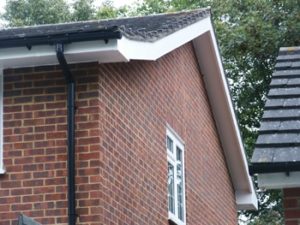
Understanding Soffits: Their Importance and Functionality
Soffits are not simply ornamental components; they serve numerous vital functions:
- Ventilation: Soffits enable air blood circulation in the attic or roof space, avoiding moisture accumulation that can lead to mold development.
- Protection: They protect the roof rafters from weather aspects, such as rain, snow, and wind.
- Visual appeals: Soffits contribute to the home’s curb appeal, providing a clean and ended up appearance.
Signs That Soffits Need Replacement
Understanding when to change soffits can help house owners prevent more serious issues down the line. Here are some signs that it may be time for a replacement:
| Signs of Damage | Description |
|---|---|
| Peeling Paint or Staining | Indicates wetness problems behind the soffit. |
| Fractures or Holes | Structural weak point that requires immediate attention. |
| Mold Growth | Suggests prolonged moisture direct exposure. |
| Insect Infestation | Spaces can permit critters to enter your home. |
| Deforming or Buckling | Damage to the product might be triggered by heat or moisture. |
| Missing or Loose Panels | Compromises ventilation and defense functions. |
Kinds Of Soffit Materials
When it concerns soffit replacement, choosing the ideal product is crucial for longevity and aesthetic appeals. Below are some of the most typical products used for soffits:
| Material Type | Description | Advantages | Drawbacks |
|---|---|---|---|
| Vinyl | Light-weight and long lasting | Low maintenance, resistant to rot and pests | Can fade in time, limited color choices |
| Aluminum | Weather-resistant and strong | No rust, low maintenance, variety of colors | Can be more expensive, can damage easily |
| Wood | Standard appearance | Exceptional visual appeal | Needs routine Downpipes Maintenance, susceptible to rot and pests |
| Fiber Cement | Composite material | Highly long lasting, resistant to insects and rot | Heavier, may need special tools to install |
| PVC | Artificial, lightweight | No peeling, decaying or rusting | Can be less aesthetically pleasing compared to wood |
The Soffit Replacement Process
The soffit replacement procedure involves cautious planning and execution. Here’s a step-by-step guide:
Step 1: Assessment
- Check existing soffits for damage.
- Determine any underlying concerns (e.g., mold, bugs).
Step 2: Material Selection
- Choose the right soffit material based on environment, area, and individual choice.
Step 3: Gather Tools and Materials
- Tools needed: ladder, determining tape, saw, drill, screws, caulk, safety glasses, gloves.
- Ensure all brand-new soffit panels are on hand for installation.
Step 4: Remove the Old Soffits
- Carefully remove the old soffits using proper tools. Be cautious of any electrical wires or insulation in the area.
- Dispose of old products properly.
Step 5: Prepare the Area
- Clean the surrounding location, guaranteeing it’s devoid of particles.
- Examine and repair any hidden structures, such as rafters.
Step 6: Install the New Soffits
- Begin setting up the brand-new soffit panels, beginning with one side and working throughout.
- Safe panels with screws, guaranteeing they fit comfortably against your house.
Step 7: Finish Up
- Seal any gaps or joints with caulk to avoid wetness invasion.
- Inspect the setup to confirm it fulfills all standards.
Regularly Asked Questions (FAQs)
1. How often should soffits be replaced?
The lifespan of soffits can vary extensively depending on the material utilized and Roofline Maintenance exposure to components. As a basic guideline, vinyl and aluminum can last as much as 30 years, while wood might need replacement every 10 to 20 years if not correctly maintained.
2. Can I replace soffits myself?
While DIY soffit replacement is possible, it can be rather complicated. Correct safety measures need to be stuck to, and an understanding of roof structures is necessary. Employing an expert may be suggested for those unknown with home repair work.
3. Just how much does soffit replacement expense?
The expense of soffit replacement can differ based on product, labor, and area. Normally, homeowners might anticipate to pay anywhere from ₤ 1,000 to ₤ 3,000 depending upon the size of the job.
4. What maintenance is needed after changing soffits?
Routine inspections and cleaning can prolong the life of new soffits. Eliminate any debris, make sure appropriate ventilation, and check for any signs of damage occasionally.
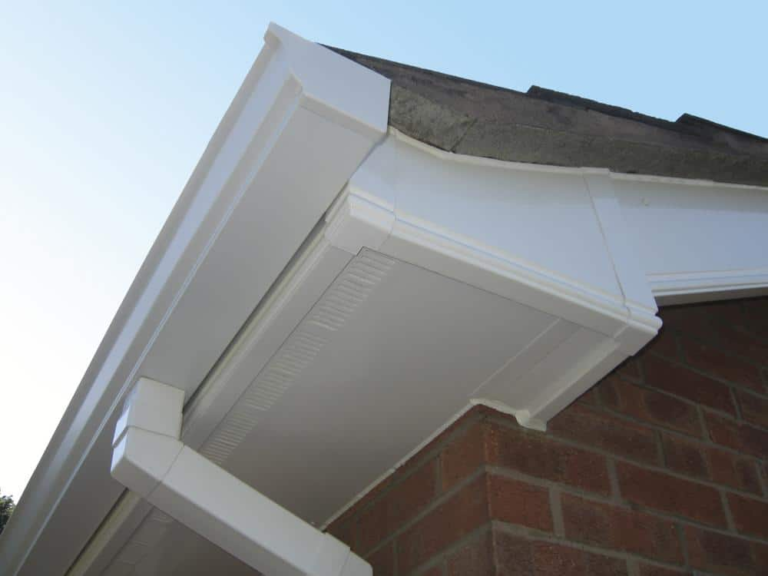
5. Are there energy performance advantages to replacing soffits?
Yes, brand-new Soffits Replacement can improve ventilation in your attic, potentially decreasing energy costs by controling indoor temperatures and lessening the load on HVAC systems.
Soffits Company are a crucial element of any home, affecting both performance and looks. When it comes time for replacement, understanding the materials offered, acknowledging signs of damage, and understanding the replacement process can make a daunting job more manageable. Whether tackling this job yourself or working with an expert, guaranteeing that soffits are in excellent condition will contribute to the integrity and effectiveness of your home for years to come.
